

Corporate Snail
Carries a home. And several things that should have been someone else's job.
Open species file ↗INNERMON / THE CORPORATE BESTIARY
We name the workplace creatures, then help you identify the one turning Tuesday into a wildlife documentary.
Carries a home. And several things that should have been someone else's job.
Open species file ↗
Big authority. Small processing department.
Open species file ↗
Light on the workload. Excellent in the recap.
Open species file ↗
Leadership has spoken. Leadership is about to hear it again.
Open species file ↗
The announcement is tomorrow. It has follow-up questions today.
Open species file ↗
Consequences keep getting redirected.
Open species file ↗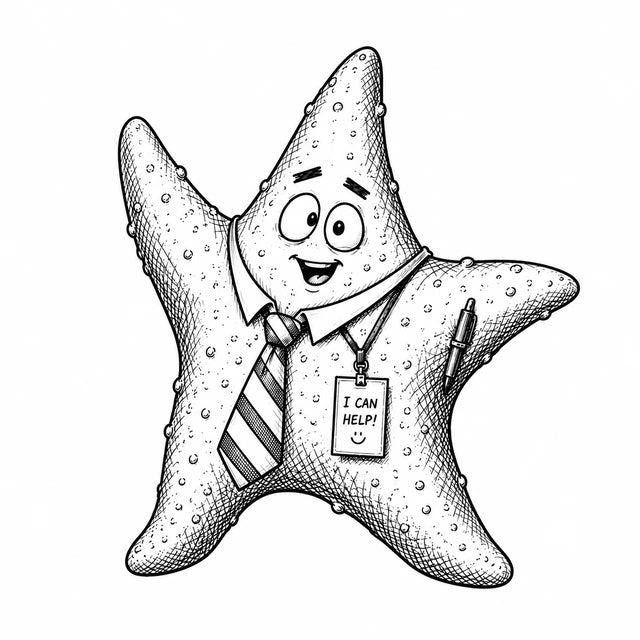
Offered to help. We now have two problems.
Open species file ↗
Estimated completion: eventually. Unless we can leave at three.
Open species file ↗
Your request has been received. It is now part of the furniture.
Open species file ↗
Eight arms. Somehow fewer meetings.
Open species file ↗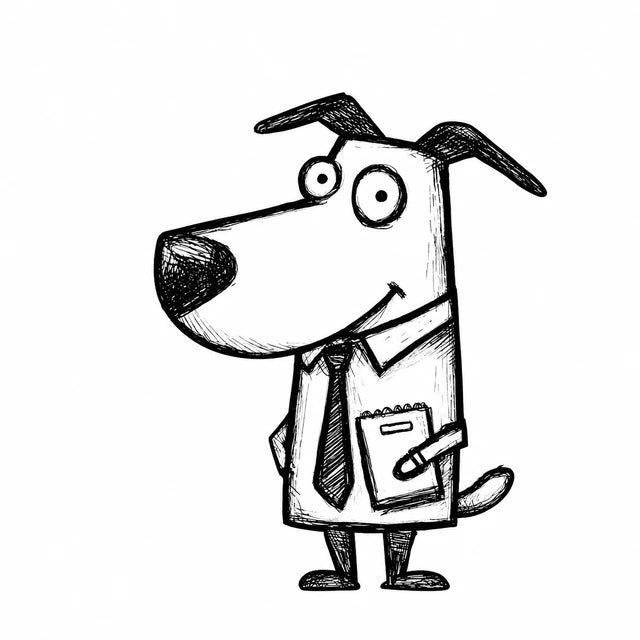
Ready for a big opportunity. Currently locating the stapler.
Open species file ↗
Approved it yesterday. Has concerns about who approved it.
Open species file ↗SPECIES FILE
OBSERVATION WINDOW
THE CORPORATE BESTIARY / DOCUMENTED
Real managerial power, loud directives, limited understanding, and short operational reach.
Carries a home. And several things that should have been someone else's job.
The Corporate Snail has bills, people, plans, and a perfectly reasonable desire to finish its coffee. It still does the work. It has simply stopped treating every urgent message as a personal summons. The shell is not a lack of ambition. It is the only room in the building nobody has booked for a meeting.
Encounter level
LOW
Not a threat. Not an invitation to assign more work.
Lab estimates. The committee has requested more coffee. Higher bars mean more of the named trait—not a better specimen.
The quiet end of the desk. The first sip before email. The pause between closing the laptop and being available to anyone else.
A message beginning with “Sorry, one last thing” arrives immediately after the last thing.
DEFENSIVE ABILITY
“Tomorrow is still a working day.”
Rent. Someone who counts on you. A plan you haven't given up on. The person you are when nobody needs an update. Some days, that is already a full load.
Big authority. Small processing department.
It enters the meeting with a decision, leaves with a different decision, and asks why nobody followed the original decision. The Executive T-Rex has real authority. Understanding the work is handled by a much smaller department. When everyone goes quiet, it records this as alignment.
Encounter level
HIGH
Especially when the deadline was yesterday.
Lab estimates. Peer review has been rescheduled. Higher bars mean more of the named trait—not a better specimen.
Conference-room head seats, corner offices, and calls where it is the only participant who cannot be muted.
Someone asks which of three conflicting priorities is actually first.
AREA DIRECTIVE
“I don't need the details. Why wasn't I told about the details?”
One vague instruction can consume a team's afternoon. The resulting delay generates an urgent meeting about why the urgent work is not getting done.
Light on the workload. Excellent in the recap.
During the difficult part, the Gloryhog Peacock was broadly supportive. During the presentation, it becomes remarkably specific about “our approach.” It knows where the camera is, who is watching, and exactly when a finished project becomes a personal brand opportunity.
Encounter level
ELEVATED
Rises sharply when recognition enters the room.
Lab estimates. Findings filed between meetings. Higher bars mean more of the named trait—not a better specimen.
Launch recaps, leadership updates, award photographs, and the last slide of somebody else's long week.
Someone important asks who led the successful project.
SPOTLIGHT MOVE
“So proud to have driven this.”
Contributors leave with the follow-up tasks. The Gloryhog Peacock leaves with a quote for the newsletter. An unrecorded contribution is particularly vulnerable during recap season.
Leadership has spoken. Leadership is about to hear it again.
The Copycat Parrot waits for the highest-ranking voice, then contributes an extremely familiar opinion. Agreement arrives instantly. Reasoning can be supplied later, if requested by someone sufficiently senior. Should leadership reverse course, the Parrot has always supported the new direction.
Encounter level
ELEVATED
Most active immediately after leadership speaks.
Lab estimates. Peer review has been rescheduled. Higher bars mean more of the named trait—not a better specimen.
The seat next to the boss, leadership chat threads, and the small silence where an independent thought could have gone.
A senior person says something with enough confidence to repeat.
ECHO ABILITY
“Exactly. That's exactly what I've been saying.”
A room can sound unanimous before anyone has checked the idea. The team then spends time implementing an echo rather than resolving the original question.
The announcement is tomorrow. It has follow-up questions today.
A closed door. An unfamiliar calendar hold. Two managers getting coffee at the same time. The Gossipy Meerkat has noticed all three and is deciding whether they are related. It can be a useful early-warning system. It can also spend an afternoon detecting a reorganization that turns out to be a room-booking problem.
Encounter level
VARIABLE
Early signal. Confirmation sold separately.
Lab estimates. Findings filed between meetings. Higher bars mean more of the named trait—not a better specimen.
Hallway intersections, calendar gaps, and the exact moment a private meeting ends.
Something small changes without a company-wide explanation.
DETECTION ABILITY
“Probably nothing. But did you notice…?”
Useful awareness can save a surprise. Unconfirmed interpretation can fill a workday with one. Curiosity alone does not make this specimen malicious—or make its theory correct.
Consequences keep getting redirected.
The deadline passed. The work did not arrive. Somehow, the follow-up has become a discussion about the team's expectations. What distinguishes the Protected Jellyfish is not low output by itself. It is the way ordinary accountability appears to dissolve nearby, while everyone chooses their next words unusually carefully.
Encounter level
HIGH
Process may behave differently in this area.
Lab estimates. The committee has requested more coffee. Higher bars mean more of the named trait—not a better specimen.
Unclear reporting lines, delicately worded emails, and arrangements nobody seems authorized to explain.
An ordinary missed commitment receives an extraordinary exemption.
PASSIVE SHIELD
Nearby management: “There are other factors.”
Unfinished work drifts toward whoever can actually be held accountable. The risk is becoming the automatic cleanup crew for an arrangement you do not control.
Offered to help. We now have two problems.
The Oops Starfish found your spreadsheet confusing, so it reorganized it. The formulas are gone, but there are colors now. Its intentions are genuinely good. Its assistance has a habit of multiplying into small tasks that require the person it was helping to become a full-time recovery team.
Encounter level
ELEVATED
Save a copy before accepting the offer.
Lab estimates. The committee has requested more coffee. Higher bars mean more of the named trait—not a better specimen.
Shared documents, volunteer committees, and any task described as “just a quick cleanup.”
A small problem becomes visible to someone determined to be useful.
CHAIN REACTION
“I went ahead and fixed a few other things too.”
A five-minute favor can become an afternoon of undoing, explaining, and reassuring. The extra work is real even when the intention is kind.
Estimated completion: eventually. Unless we can leave at three.
The routine queue has been moving at a thoughtful pace all morning. Then someone announces that finishing it means an early exit. The Selective Turtle clears three items before the announcement is over. The speed was not missing. It was waiting for a destination it personally recognized.
Encounter level
VARIABLE
Check the finish line before checking the clock.
Lab estimates. Findings filed between meetings. Higher bars mean more of the named trait—not a better specimen.
Routine queues, Friday afternoons, and the brief interval between “you can leave when” and “done.”
A concrete personal payoff becomes attached to finishing.
CONDITIONAL SPEED BOOST
“If I finish this, are we actually done?”
Vague urgency adds noise without adding speed. An endless task list can make the finish line feel fictional; moving it after completion makes the next promise less useful.
Your request has been received. It is now part of the furniture.
The form is complete. The receipt is attached. The Approval Sloth would now like the attachment in the other format mentioned nowhere on the form. This species occupies payment, budget, audit, and approval gates. It does not need to reject a request when it can keep reviewing it through several seasons.
Encounter level
HIGH
Especially one signature away from completion.
Lab estimates. Peer review has been rescheduled. Higher bars mean more of the named trait—not a better specimen.
Expense portals, payment queues, budget approvals, and the final signature on a perfectly reasonable request.
Someone needs formal permission for work everyone already wants completed.
PROCESS LOCK
“We're just waiting on one more thing.”
The requester becomes a part-time tracker of their own request. Work waits, plans shift, and a small approval develops a substantial correspondence history.
Eight arms. Somehow fewer meetings.
The room has spent forty minutes describing the problem. The Super Octopus asks one question, finds the broken connection, and explains the fix in ordinary language. It is not frantically juggling disaster. It is unusually good at seeing what matters—and politely confused that everyone has scheduled another meeting about it.
Encounter level
LOW
High-value ally. Not an unlimited service plan.
Lab estimates. Findings filed between meetings. Higher bars mean more of the named trait—not a better specimen.
The broken dashboard, the impossible spreadsheet, and the quiet place where complicated work becomes understandable.
A real problem finally arrives without six layers of status commentary.
SUPPORT ABILITY
“Oh. These two things are connected.”
Work gets clearer, not merely faster. The real risk is organizational: people may start sending every loose end to the same competent colleague instead of learning the method.
Ready for a big opportunity. Currently locating the stapler.
The Puppy Intern arrived ready to learn the business. So far, it has learned the coffee order, the printer's warning lights, and which meeting rooms need more chairs. Its enthusiasm is real. Whether that becomes useful experience depends on whether someone eventually gives it work with a reason attached.
Encounter level
LOW
Handle the enthusiasm with care.
Lab estimates. The committee has requested more coffee. Higher bars mean more of the named trait—not a better specimen.
Orientation decks, the first real assignment, and errands introduced with “This will only take a second.”
Someone asks for a volunteer before explaining the full task.
DEVELOPMENT ABILITY
“Happy to help! What does that acronym mean?”
Miscellaneous tasks can keep a newcomer busy without teaching much. Confusion is not incompetence when the instructions, context, and feedback have not arrived.
Approved it yesterday. Has concerns about who approved it.
The client liked option B. You sent the confirmation. The team built option B. On the next call, the Difficult Goldfish asks why nobody considered option A. It is often perfectly sincere. The decision simply failed to travel from the previous conversation into this one.
Encounter level
HIGH
Most disruptive after the work has already started.
Lab estimates. Peer review has been rescheduled. Higher bars mean more of the named trait—not a better specimen.
Client review calls, forwarded emails without the thread, and “quick questions” about last week's signed-off direction.
A settled requirement returns without its decision history.
CONTEXT RESET
“Wait. When did we decide that?”
Finished work re-enters the queue. The team must recover the decision history before it can decide whether this is missing context or a genuinely new request. Meanwhile, the original deadline continues to enjoy excellent recall.
Elsewhere in Innermon